How Spray Booth Airflow Creates a Consistent Paint Finish
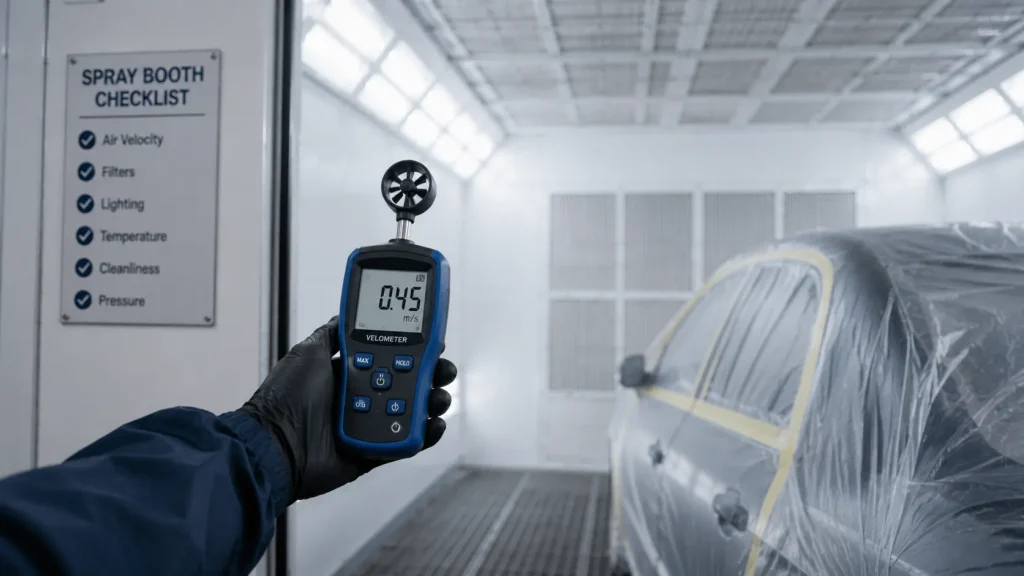
A Velometer is a critical airflow measurement tool used in spray booths. It helps operators monitor air velocity and maintain safe working conditions. In modern finishing facilities, stable airflow directly affects coating quality, worker safety, and compliance standards. Even minor airflow changes can lead to overspray build-up, uneven finishes, or hazardous vapour concentrations.
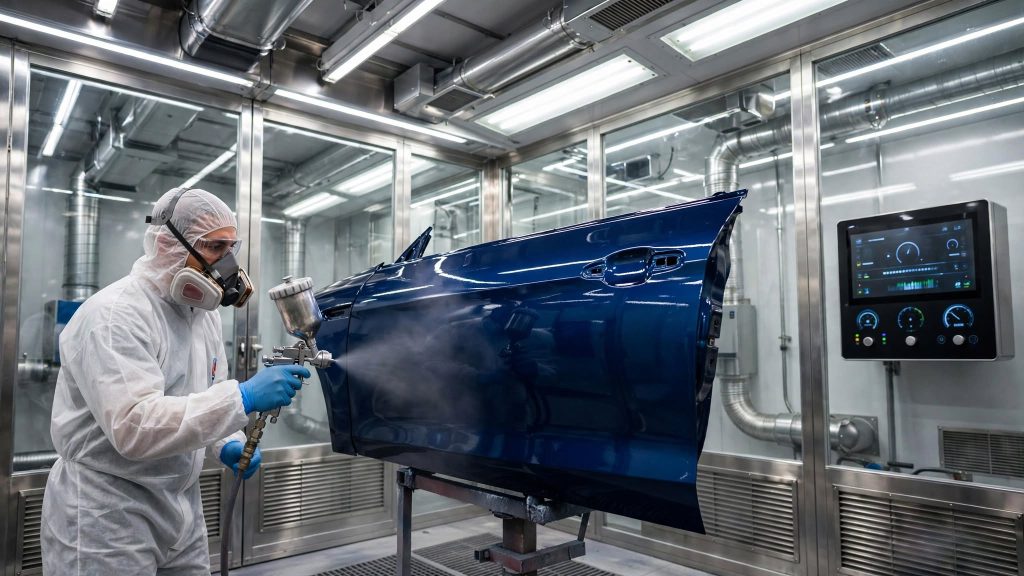
Spray booths depend on balanced airflow to remove paint particles and harmful fumes. A Velometer measures the speed of moving air, usually in feet per minute (FPM) or metres per second (m/s). Technicians use these readings to confirm whether ventilation systems perform correctly. This process supports efficient paint transfer and reduces contamination risks.
Many industries rely on spray booth airflow testing. Automotive refinishing, aerospace manufacturing, and industrial coating plants all use Velometer devices during inspections. Regular airflow monitoring also helps businesses meet occupational safety requirements. Without accurate airflow readings, spray booths can quickly lose efficiency and create unsafe operating environments.
A Velometer measures air velocity through mechanical or electronic sensing components. Most modern units use thermal or vane-based sensors. These sensors detect moving air and calculate velocity instantly. Operators place the instrument near booth filters, exhaust points, or worker zones to capture accurate readings.
Airflow inside a spray booth must remain consistent during operation. Downdraft booths often require airflow between 80 and 120 FPM. Crossdraft booths usually operate at slightly lower velocities. A Velometer helps technicians confirm these airflow targets during maintenance checks.
Low airflow can cause overspray accumulation and poor paint adhesion. High airflow may disturb paint atomisation and waste coating material. Accurate readings help maintain the correct balance for smooth finishes and worker protection.
Different spray booths require different airflow testing methods. Facilities often choose a Velometer based on booth size and ventilation design.
| Velometer Type | Main Feature | Typical Use |
|---|---|---|
| Vane Velometer | Rotating vane sensor | General airflow testing |
| Thermal Velometer | Heat-based airflow sensing | Low airflow environments |
| Digital Velometer | Electronic display and logging | Industrial inspections |
| Portable Velometer | Lightweight handheld design | Routine maintenance |
Digital models now dominate industrial applications because they provide faster readings and better accuracy.
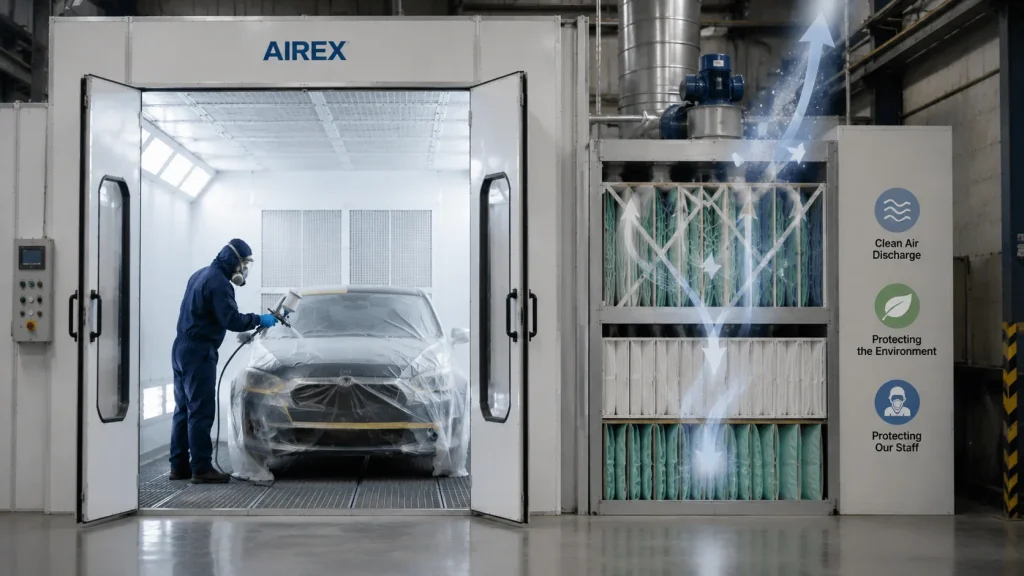
Spray booths handle flammable coatings and airborne contaminants daily. Proper ventilation controls these hazards and protects product quality. A Velometer gives operators clear airflow data before problems become serious.
Poor ventilation increases exposure to volatile organic compounds (VOCs). Long-term VOC exposure can cause respiratory irritation and neurological effects. Health and safety agencies require adequate booth ventilation to reduce these risks.
Routine Velometer testing helps facilities meet occupational safety guidelines. Many inspectors request documented airflow readings during compliance audits. Consistent monitoring also supports fire prevention by reducing combustible overspray accumulation.
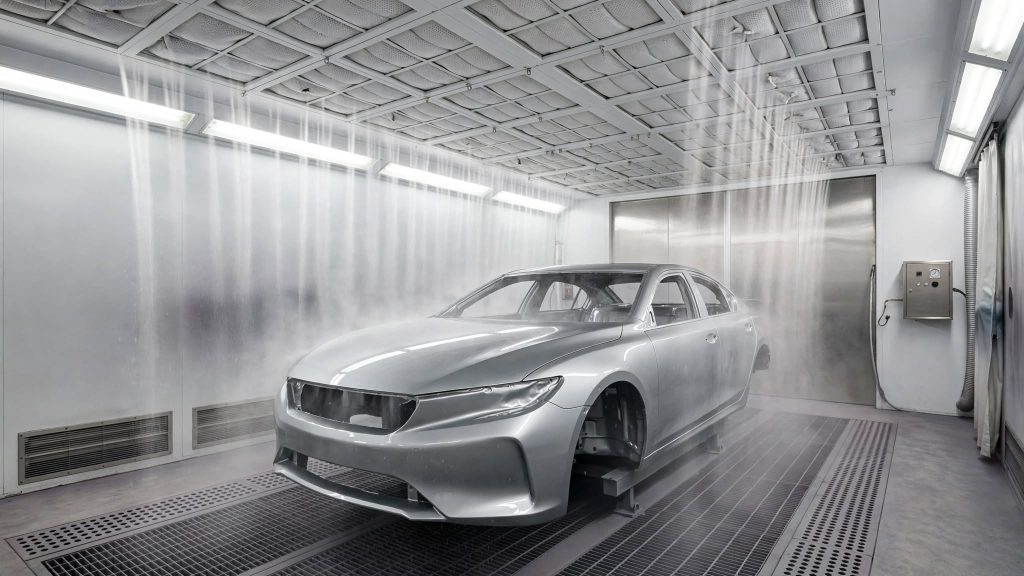
Airflow directly influences paint application performance. Stable airflow removes overspray while keeping contaminants away from wet surfaces. Uneven airflow often creates defects such as orange peel, fisheyes, or dry spray.
A Velometer helps operators detect airflow imbalances early. Technicians can adjust fan speeds or replace blocked filters before coating quality declines. This process reduces rework costs and improves production efficiency.
Technicians use a Velometer in several spray booth zones to verify airflow consistency. Testing multiple locations gives a complete picture of ventilation performance.
Intake filters supply clean air into the booth. Dirty filters reduce incoming airflow and increase pressure imbalance. Velometer readings help determine when filters need replacement.
Common signs of restricted intake airflow include:
Increased overspray accumulation.
Uneven paint drying.
Higher booth operating temperatures.
Reduced fan efficiency.
Regular airflow testing prevents these issues from affecting production quality.
Exhaust filters remove contaminated air from the booth. Blocked exhaust systems reduce airflow and increase vapour concentration. A Velometer identifies weak exhaust performance before dangerous conditions develop.
Technicians often compare intake and exhaust airflow readings during inspections. Large differences usually indicate filter blockage or fan performance issues.
Routine airflow monitoring improves booth reliability and lowers operating costs. Many facilities now include Velometer testing in scheduled maintenance programmes.
Ventilation fans consume significant energy during spray booth operation. Restricted airflow forces fans to work harder and increases electricity use. Accurate Velometer readings help maintain efficient airflow levels.
Facilities can also reduce unnecessary filter replacements by using measured airflow data instead of fixed replacement schedules.
Unexpected airflow failures can stop production quickly. Regular testing identifies developing ventilation issues before equipment fails completely.
Key maintenance advantages include:
Faster problem detection.
Lower repair costs.
Improved booth lifespan.
More stable coating quality.
This proactive approach supports continuous production and safer working conditions.
Not all airflow meters suit industrial coating environments. Spray booth operators should consider accuracy, durability, and measurement range before selecting a Velometer.
Industrial spray booths often expose equipment to dust, solvents, and temperature changes. Reliable devices must withstand these conditions without losing accuracy. Start your journey with our guide to Contact.
Important features include:
Wide airflow measurement range.
Easy-to-read digital display.
Portable handheld design.
Calibration certification.
Data logging capability.
Digital Velometer models with memory functions simplify inspection reporting and compliance documentation.
Calibration directly affects airflow measurement reliability. Most manufacturers recommend annual calibration to maintain accuracy standards. Uncalibrated instruments may provide misleading airflow readings and create safety risks.
Facilities should also train technicians on correct testing procedures. Poor measurement positioning can distort airflow data and reduce inspection reliability.
A Velometer plays a vital role in spray booth performance, safety, and maintenance. Accurate airflow measurement helps maintain coating quality while protecting workers from hazardous fumes. Modern spray booths depend on stable ventilation systems to control overspray and maintain compliance standards.
Regular Velometer testing supports efficient airflow management and reduces operational risks. Facilities can detect blocked filters, weak exhaust performance, and airflow imbalances before they affect production. This process improves booth reliability and lowers maintenance costs over time.
As industrial finishing standards continue to tighten, airflow monitoring becomes even more important. A properly maintained Velometer provides the accurate data needed to keep spray booths safe, efficient, and compliant.