
Infrared Drying System
Our Services
For Better Service
For better service, we focus on understanding your needs and delivering solutions that truly make a difference.
Infrared Drying System Service Overview
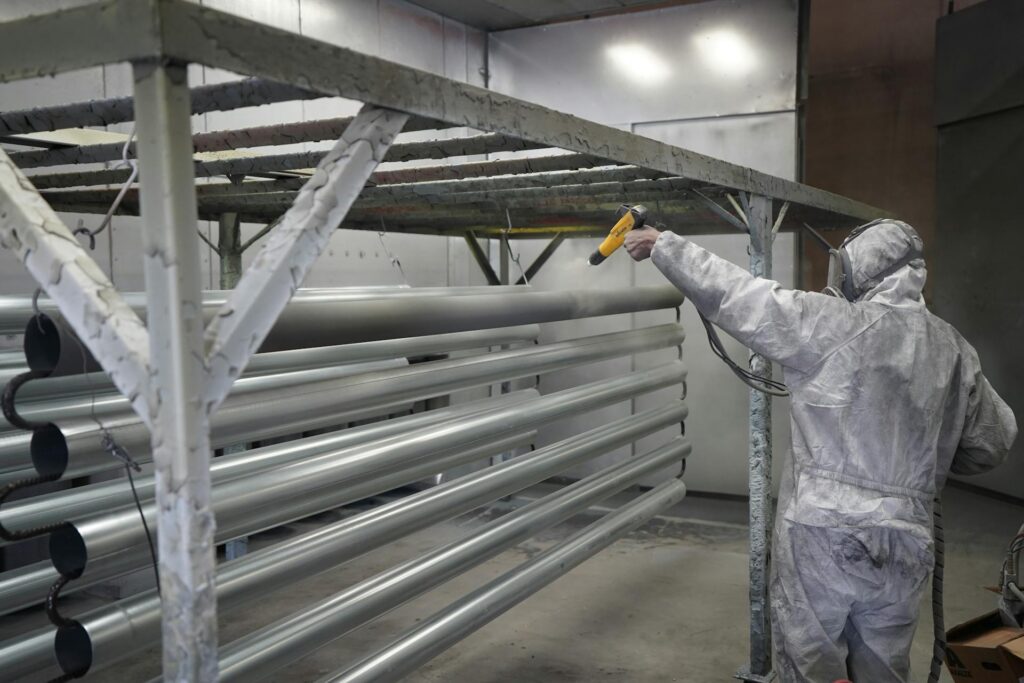
Infrared drying system service focuses on providing efficient and controlled drying solutions for industrial and commercial coating processes. These systems use infrared radiation to transfer heat directly to the surface of materials, enabling faster and more uniform drying compared to traditional methods. Infrared drying is widely used in automotive, manufacturing, woodworking, and finishing industries where precision and speed are essential.
This service includes system design, installation, maintenance, repair, and upgrades. Infrared drying systems are valued for their ability to reduce drying time, improve energy efficiency, and enhance finish quality. Professional services ensure that these systems operate at optimal performance while meeting safety and operational standards.
Importance of Infrared Drying Systems
Accelerating Drying Processes
Infrared technology delivers heat directly to the coated surface, reducing drying times significantly. This allows faster production cycles and increased throughput.
Improving Finish Quality
Uniform heat distribution ensures consistent drying, preventing defects such as uneven curing, bubbling, or cracking.
Enhancing Energy Efficiency
Infrared systems use targeted heating, minimizing energy waste. This results in lower operational costs compared to conventional drying methods.
Supporting High-Volume Production
Industries with high production demands benefit from faster drying times and reliable performance, improving overall efficiency.
Types of Infrared Drying Systems
Short-Wave Infrared Systems
Short-wave systems provide intense heat and rapid drying. They are ideal for applications requiring quick curing times.
Medium-Wave Infrared Systems
Medium-wave systems offer balanced heating and are suitable for a wide range of materials and coatings.
Long-Wave Infrared Systems
Long-wave systems provide gentle and consistent heat. They are used for delicate materials that require controlled drying.
Portable Infrared Dryers
Portable units offer flexibility for on-site or localized drying tasks. They are commonly used in repair and maintenance applications.
Key Components of Infrared Drying Systems
Infrared Emitters
Emitters generate infrared radiation that heats the surface. Their efficiency directly impacts drying performance.
Reflectors
Reflectors direct and focus heat onto the target area. This ensures uniform heating and reduces energy loss.
Control Systems
Control panels regulate temperature, intensity, and timing. Advanced systems allow precise adjustments for different applications.
Support Structures
Frames and mounts hold the system in place. They are designed for stability and proper positioning.
Safety Features
Safety components prevent overheating and ensure safe operation. These include sensors and automatic shut-off systems.
Design and Installation Services
Site Assessment
The process begins with evaluating the workspace and drying requirements. This ensures proper system selection and placement.
Custom System Design
Each application has unique needs. Custom designs ensure that the system meets operational and production requirements.
Equipment Installation
All components are installed according to specifications. Proper installation ensures efficiency and safety.
System Calibration and Testing
After installation, the system is calibrated and tested to ensure optimal performance and reliability.
Maintenance and Repair Services
Routine Inspections
Regular inspections help identify potential issues early. This prevents unexpected downtime and ensures continuous operation.
Emitter Replacement
Infrared emitters may wear out over time. Replacing them maintains system efficiency and performance.
Electrical Maintenance
Electrical components are checked and serviced to prevent failures and ensure safe operation.
Cleaning and Upkeep
Keeping the system clean ensures efficient heat transfer and prevents performance issues.
Benefits of Professional Infrared Drying Services
Faster Production Cycles
Professional systems reduce drying times, allowing quicker turnaround and increased productivity.
Consistent Results
Controlled heating ensures uniform drying, improving finish quality and reducing defects.
Energy Savings
Efficient systems reduce energy consumption, lowering operational costs.
Enhanced Reliability
Regular maintenance ensures that the system operates consistently and reliably.
Applications of Infrared Drying Systems
Automotive Finishing
Infrared systems are widely used for drying paint and coatings on vehicles. They provide fast and efficient results.
Industrial Manufacturing
Manufacturers use infrared drying for coatings, adhesives, and other processes. This improves efficiency and quality.
Wood and Furniture Finishing
Infrared drying ensures smooth and consistent finishes on wood products.
Printing and Packaging
These systems are used to dry inks and coatings بسرعة, improving production speed.
Upgrading Infrared Drying Systems
Advanced Emitters
Modern emitters provide better efficiency and longer lifespan. Upgrading improves performance.
Smart Control Systems
Advanced controls allow precise monitoring and automation. This enhances efficiency and ease of use.
Energy-Efficient Designs
Upgraded systems reduce energy consumption and operating costs.
Common Challenges in Infrared Drying
Uneven Heating
Improper setup can lead to uneven heat distribution. Proper calibration ensures consistent results.
Equipment Wear
Continuous use can lead to wear and tear. Regular maintenance prevents major issues.
Energy Management
Balancing performance and energy consumption can be challenging. Efficient systems address this issue.
Material Sensitivity
Some materials require careful temperature control. Proper system design ensures safe drying.
Safety Considerations
Temperature Control
Proper temperature regulation prevents overheating and damage to materials.
Fire Safety Measures
Infrared systems generate heat, so fire safety precautions are essential.
Protective Equipment
Workers should use appropriate protective gear أثناء operation.
Compliance with Standards
Meeting safety and environmental regulations ensures legal compliance and safe operation.
Choosing the Right Infrared Drying Service
Experience and Expertise
Select a service provider with experience in infrared drying systems.
Comprehensive Solutions
Choose a provider that offers design, installation, maintenance, and repair services.
Quality Assurance
Ensure that the system meets performance and safety standards.
Reliable Support
Ongoing support ensures long-term efficiency and reliability.
Maintenance Best Practices
Regular Cleaning
Keeping the system clean ensures efficient heat transfer and performance.
Scheduled Servicing
Routine servicing ensures that all components function properly.
Monitoring System Performance
Operators should monitor temperature and system performance regularly.
Prompt Repairs
Addressing issues quickly prevents downtime and costly repairs.