How Spray Booth Airflow Creates a Consistent Paint Finish
Spray Booth Buying decisions affect production speed, finish quality, worker safety, and long-term operating costs. Many businesses focus only on upfront pricing. However, booth performance, filtration efficiency, and maintenance demands often shape the real return on investment. A poorly selected spray booth can increase energy use, create uneven finishes, and raise compliance risks.
Modern spray booths support industries including automotive refinishing, industrial manufacturing, aerospace, woodworking, and metal fabrication. Global demand continues to grow because manufacturers now require cleaner finishes and stricter environmental control. According to industry estimates, energy costs can represent nearly 30% of a spray booth’s operating expenses over its lifespan.
Spray Booth Buying also depends on workflow requirements. High-production facilities need faster curing cycles and stable airflow. Smaller workshops often prioritise lower running costs and flexible installation. Buyers must compare airflow systems, booth size, filtration stages, heating options, and maintenance access before selecting equipment.
This guide explains the key features, cost factors, and maintenance considerations that shape smart spray booth investments. It also highlights practical points that help businesses avoid expensive operational problems later.
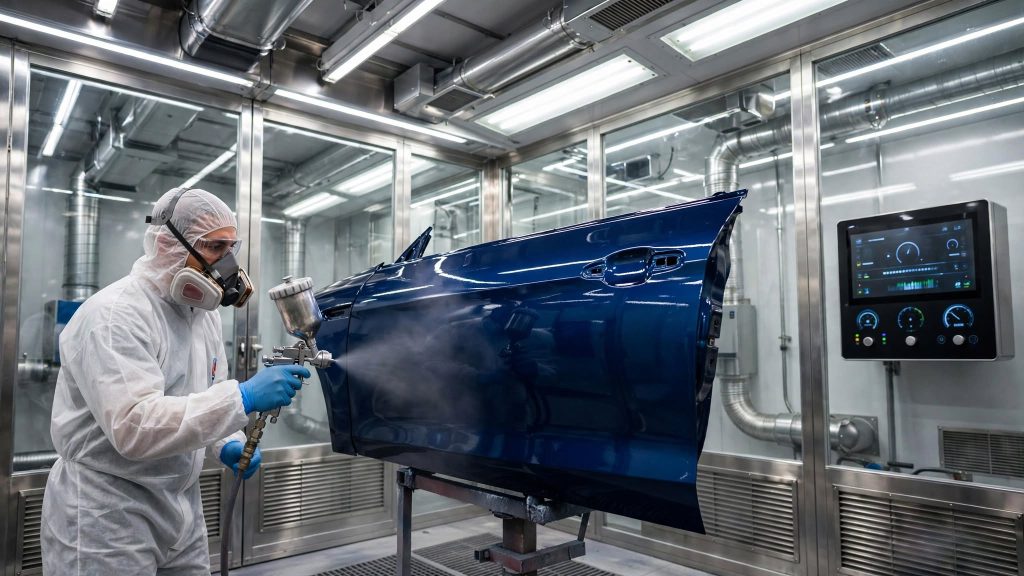
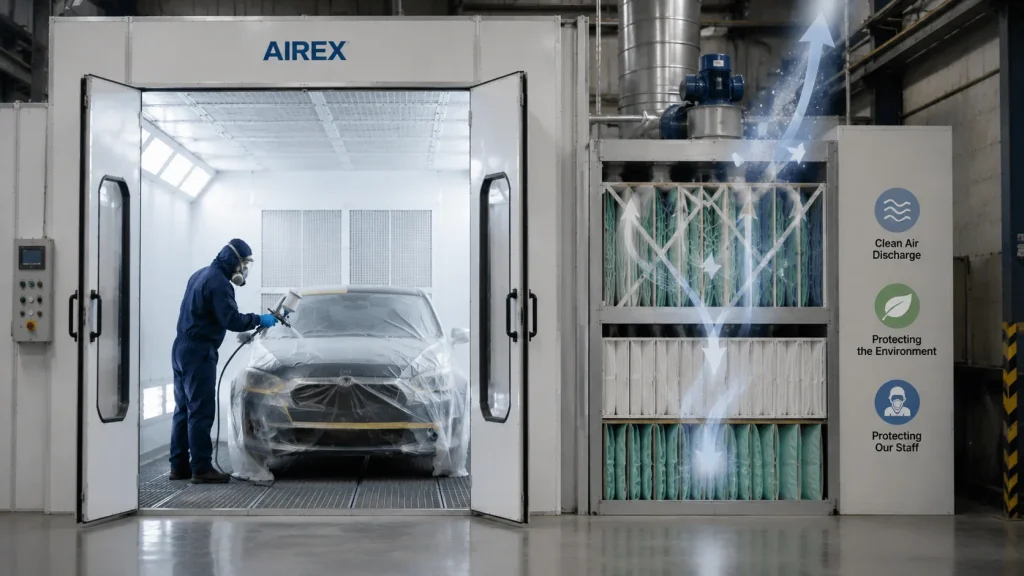
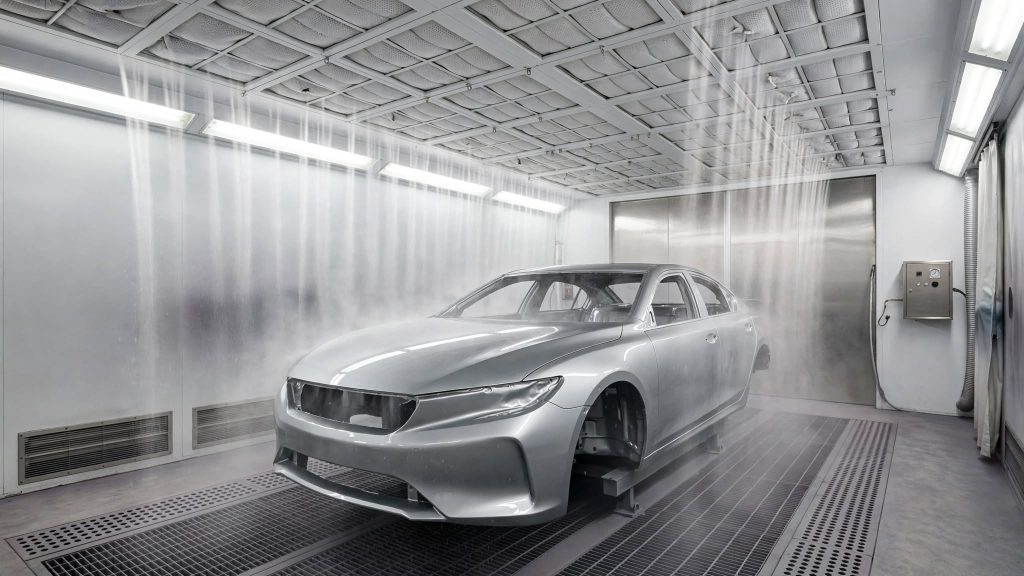
Airflow controls finish quality and contamination levels. During Spray Booth Buying, airflow design should match production requirements and coating types. Downdraft booths push air from the ceiling toward floor exhausts. This system delivers cleaner finishes because overspray leaves the booth quickly.
Crossdraft booths cost less and suit smaller workshops. However, airflow moves horizontally, which can increase contamination risks on complex surfaces. Semi-downdraft designs offer a balance between cost and performance.
Key airflow considerations include:
Air velocity consistency.
Filter efficiency ratings.
Overspray extraction performance.
Compliance with workplace safety standards.
Temperature and humidity control.
Stable airflow improves coating adhesion and reduces rework. Poor airflow often creates uneven paint distribution and higher material waste.
Heating systems influence productivity and operating costs. Gas-fired systems heat faster and support high-volume operations. Electric systems offer cleaner operation and simpler installation. Dive into expert content on Paint Fume Extraction.
Infrared curing technology has become popular because it reduces curing times significantly. Faster curing supports quicker turnaround and lower energy use. Temperature control systems also improve finish consistency across different coating materials.
The table below highlights common spray booth system comparisons.
| Booth Type | Typical Use | Cost Range | Air Quality |
|---|---|---|---|
| Crossdraft | Small workshops | Lower | Moderate |
| Semi-Downdraft | Medium production | Medium | Good |
| Downdraft | High-end finishing | Higher | Excellent |
Spray Booth Buying costs vary widely depending on booth size, airflow design, and automation features. Small manual booths may start at lower price levels. Large industrial systems with automated controls can cost several times more.
Installation costs often surprise buyers. Electrical upgrades, ductwork, concrete work, and ventilation systems increase total project expenses. Facilities may also require fire suppression systems and environmental compliance upgrades.
Several cost drivers influence final pricing:
Booth dimensions.
Air handling capacity.
Heating technology.
Control system sophistication.
Installation complexity.
Compliance certifications.
Location also affects project costs because labour rates and regulatory standards differ across regions.
Operating expenses continue long after installation. Energy consumption represents one of the largest ongoing costs in Spray Booth Buying decisions. Heated air systems consume significant power during daily operation.
Modern booths now include energy-saving features such as variable frequency drives and heat recovery systems. These technologies reduce utility expenses and improve environmental performance.
Filter replacement also affects annual operating budgets. High-efficiency filtration systems improve air quality but require scheduled replacement cycles. Businesses should estimate yearly filter usage before selecting a booth system.
A booth with lower upfront pricing may create higher energy bills later. Long-term operating analysis helps buyers avoid this mistake.
Maintenance quality directly affects booth lifespan and finish consistency. During Spray Booth Buying, easy maintenance access should remain a priority. Difficult filter access increases labour time and delays production schedules.
Filters capture overspray particles and airborne contaminants. Dirty filters restrict airflow and reduce coating quality. Most manufacturers recommend routine inspections and replacement schedules based on booth usage.
Regular maintenance tasks include:
Replacing intake filters.
Cleaning exhaust chambers.
Inspecting fan systems.
Checking airflow pressure.
Monitoring heating components.
Consistent maintenance reduces downtime and improves worker safety. It also helps businesses remain compliant with environmental regulations.
Safety compliance plays a major role in spray booth ownership. Regulatory bodies require proper ventilation, fire suppression systems, and hazardous material handling procedures.
Many modern spray booths include automated monitoring systems that track airflow and temperature conditions. These systems help operators identify problems before production quality declines.
Routine inspections should cover:
| Maintenance Area | Inspection Frequency | Main Purpose |
|---|---|---|
| Filters | Weekly | Airflow efficiency |
| Fans and Motors | Monthly | Performance reliability |
| Fire Suppression | Quarterly | Safety compliance |
| Electrical Systems | Annually | Operational safety |
Preventive maintenance costs less than emergency repairs. Businesses that ignore inspections often face costly downtime and compliance penalties.
Every facility has different production demands. Spray Booth Buying should focus on workflow efficiency rather than only booth size. Automotive refinishing facilities usually need downdraft systems for premium finishes. Industrial manufacturers may prioritise durability and larger workspace capacity.
Production volume strongly influences booth selection. High-output facilities benefit from automated controls and rapid curing systems. Smaller operations may prefer simpler systems with lower operating costs.
Buyers should also consider future expansion plans. A booth that supports increased production helps avoid costly upgrades later.
Supplier support affects long-term reliability. Strong technical support reduces repair delays and improves equipment uptime. Buyers should compare warranty coverage, spare parts availability, and training services before finalising purchases.
Reliable suppliers often provide installation guidance and maintenance training. This support improves operational efficiency and reduces preventable equipment failures.
Important supplier evaluation points include:
Technical support response times.
Warranty duration.
Spare parts availability.
Maintenance training options.
Industry compliance expertise.
Good supplier partnerships often improve long-term operating performance and reduce ownership risks.
Spray Booth Buying requires careful evaluation of features, operating costs, and maintenance demands. Booth performance directly influences finish quality, worker safety, and production efficiency. Buyers who focus only on initial pricing often overlook higher long-term operating expenses.
Airflow design, heating systems, and filtration quality shape booth performance across different industries. Maintenance access and energy efficiency also determine long-term operational value. Facilities with higher production demands usually benefit from advanced airflow systems and faster curing technology.
Businesses should compare installation costs, annual operating expenses, and supplier support before making decisions. Preventive maintenance planning also protects equipment lifespan and regulatory compliance. A well-selected spray booth supports cleaner finishes, lower downtime, and stronger production consistency over many years.