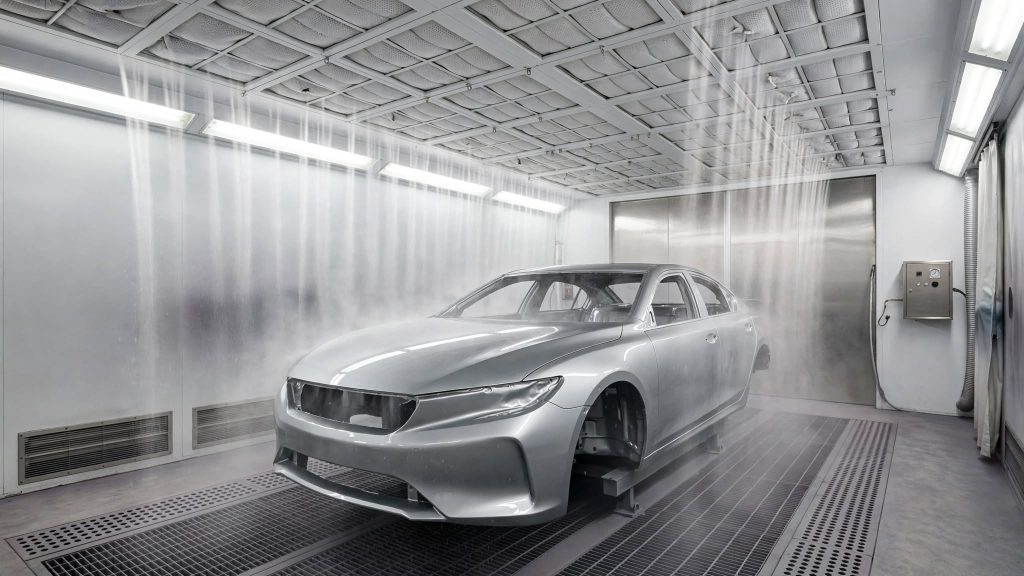
How Spray Booth Airflow Creates a Consistent Paint Finish
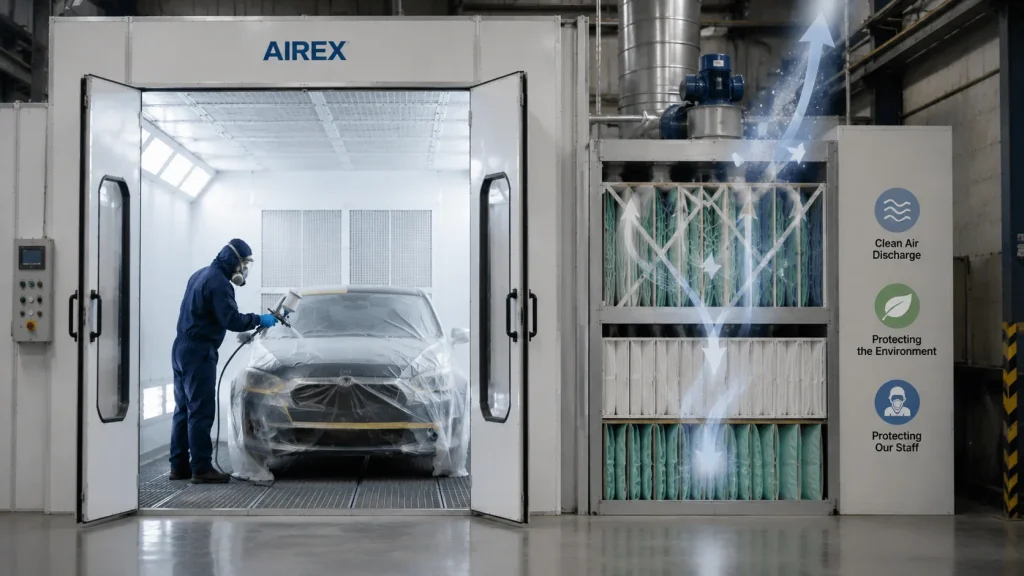
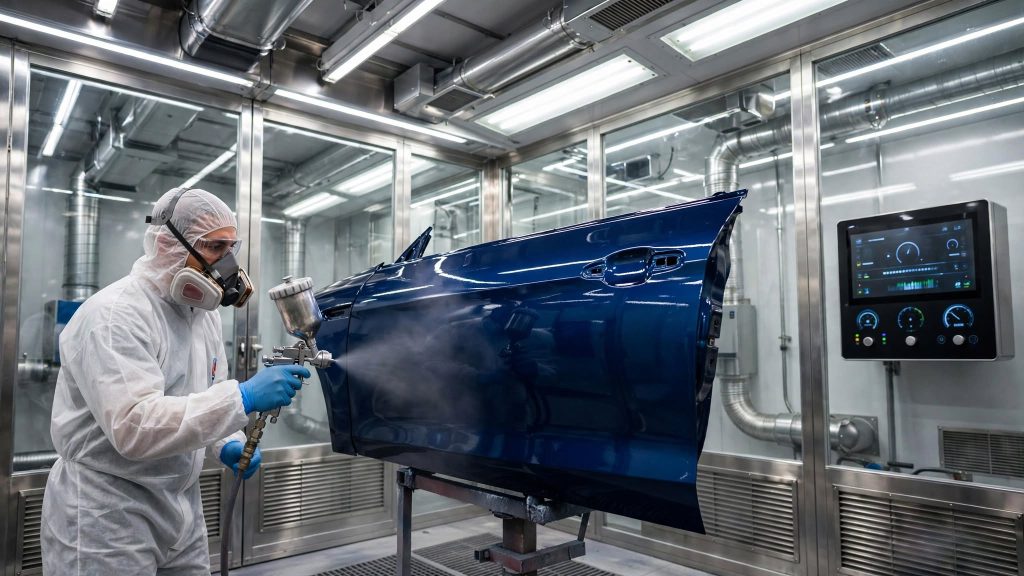
Spray Booth Filtration plays a critical role in workplace safety and environmental protection. Modern spray booths handle paint overspray, airborne particles, and harmful vapours every day. Without effective filtration, these contaminants spread quickly through workshops and nearby areas. This creates health risks for staff and increases environmental pollution.
Industrial coatings contain solvents, fine particulates, and volatile organic compounds. These substances can damage respiratory health after repeated exposure. The UK Health and Safety Executive highlights the need for controlled ventilation during spray painting operations. Proper filtration systems help businesses meet these standards while improving workplace air quality.
Many workshops now invest in advanced filter technology to reduce emissions and maintain cleaner production spaces. Multi-stage filtration systems trap overspray before it reaches extraction fans or external air outlets. This protects both employees and the surrounding communities from airborne contamination.
Efficient Spray Booth Filtration also supports better paint finishes. Cleaner airflow reduces dust particles landing on coated surfaces. As a result, businesses lower repainting costs and improve operational efficiency. Strong filtration is no longer optional for professional spray booth environments.
Spray Booth Filtration removes dangerous airborne particles created during painting processes. Paint overspray contains chemicals that can irritate the lungs, eyes, and skin. Long-term exposure may contribute to serious respiratory conditions. Proper filtration captures these particles before workers inhale them.
Modern spray booths often use intake and exhaust filters together. Intake filters stop dust from entering the booth. Exhaust filters trap paint particles before contaminated air leaves the workspace. This creates a safer and cleaner working environment.
Many industrial coatings contain isocyanates and solvent-based compounds. These chemicals require controlled extraction systems under workplace safety regulations. Effective filtration helps businesses reduce airborne concentrations and improve employee protection standards.
Good indoor air quality directly affects staff performance and well-being. Poor ventilation causes lingering fumes and uncomfortable working conditions. Workers exposed to paint odours for long periods may experience headaches and fatigue.
Spray Booth Filtration improves airflow balance inside the booth. Clean air circulation reduces heat build-up and prevents excessive contaminant accumulation. Staff can work more comfortably and safely during extended spray operations. Check out our most popular resources on the Infrared Drying System.
Key worker safety benefits include:
Reduced inhalation of hazardous particles.
Improved visibility during spraying.
Lower fire risks from airborne paint residues.
Better compliance with workplace safety standards.
Reduced long-term health concerns for employees.
Spray Booth Filtration helps businesses reduce harmful emissions released into the atmosphere. Paint overspray and solvent vapours contribute to air pollution when left untreated. Filtration systems capture a large percentage of these contaminants before discharge.
Environmental regulations continue to tighten across manufacturing sectors. Workshops must control emissions to meet local and national environmental standards. Proper filtration systems help businesses operate responsibly while avoiding costly penalties.
Many modern spray booths include multi-stage filtration technology. Pre-filters collect larger paint particles first. Secondary filters capture finer contaminants before air exits the system. Some facilities also use carbon filters to reduce solvent odours and volatile organic compounds.
Efficient filtration systems also reduce contamination around workshop facilities. Paint particles settling on floors and machinery increase cleaning costs and create waste disposal issues. Controlled airflow keeps contaminants contained within the booth environment.
Cleaner operations support more sustainable manufacturing practices. Reduced overspray means lower paint consumption and fewer wasted materials. Businesses improve efficiency while limiting environmental impact.
The table below shows common filtration stages and their purpose.
| Filtration Stage | Main Function | Environmental Benefit |
|---|---|---|
| Intake Filters | Remove incoming dust | Cleaner paint application |
| Pre-Filters | Capture larger overspray particles | Lower airborne contamination |
| Secondary Filters | Trap fine paint particles | Reduced external emissions |
| Carbon Filters | Absorb fumes and solvents | Lower VOC release |
Fibreglass filters remain common in industrial spray booths. These filters effectively trap paint overspray and larger airborne particles. They are affordable and suitable for many medium-duty applications.
Paper filters are another widely used option. Their layered design increases particle capture efficiency. Many workshops choose paper filtration systems for improved airflow consistency and easier disposal procedures.
Both filter types require regular inspection and replacement. Blocked filters reduce airflow performance and increase strain on extraction systems. Scheduled maintenance protects booth efficiency and air quality.
High-efficiency particulate air filters capture extremely fine contaminants. These systems are common in precision finishing environments where air cleanliness is critical. Automotive and aerospace industries often rely on higher-grade filtration systems.
Carbon filters target solvent fumes and odours rather than solid particles. Activated carbon absorbs volatile organic compounds from extracted air streams. This helps reduce environmental pollution and improves external air quality around workshop sites.
Choosing the correct Spray Booth Filtration system depends on several factors:
Type of coating materials used.
Booth size and airflow requirements.
Production volume.
Environmental regulations.
Maintenance budget and operating costs.
Spray Booth Filtration only performs well with consistent maintenance. Dirty or damaged filters restrict airflow and reduce contaminant capture rates. This weakens worker protection and increases environmental risks.
Operators should inspect filters regularly for paint build-up and airflow restriction signs. Pressure gauges often help monitor filter condition. Rising pressure levels usually indicate blocked filtration media.
Routine maintenance also protects spray booth equipment. Extraction fans work harder when filters become clogged. This increases energy consumption and shortens equipment lifespan.
Poor filtration affects coating quality as well as safety. Dust particles entering the booth can damage paint finishes and create costly rework. Consistent maintenance supports stable airflow and cleaner spraying conditions.
A proactive maintenance plan improves productivity and lowers operating costs. Many workshops schedule filter changes based on operating hours or production volume. This approach prevents sudden airflow failures and unexpected downtime.
Spray Booth Filtration remains essential for safe and responsible spray painting operations. Effective filtration systems protect workers from harmful airborne contaminants while reducing environmental pollution. Cleaner airflow also supports higher-quality paint finishes and more efficient production processes.
Modern workshops rely on multi-stage filtration systems to meet safety and environmental standards. Intake, exhaust, and carbon filters each play a specific role in controlling contaminants. Together, they create cleaner working conditions and lower external emissions.
Regular maintenance keeps filtration systems operating efficiently. Businesses that monitor airflow and replace filters on schedule achieve better long-term performance. Reliable filtration also reduces waste, protects equipment, and supports sustainable manufacturing practices.
As environmental regulations continue evolving, professional filtration systems will become even more important. Companies investing in high-quality Spray Booth Filtration improve workplace safety while building cleaner and more efficient operations.