How Spray Booth Airflow Creates a Consistent Paint Finish
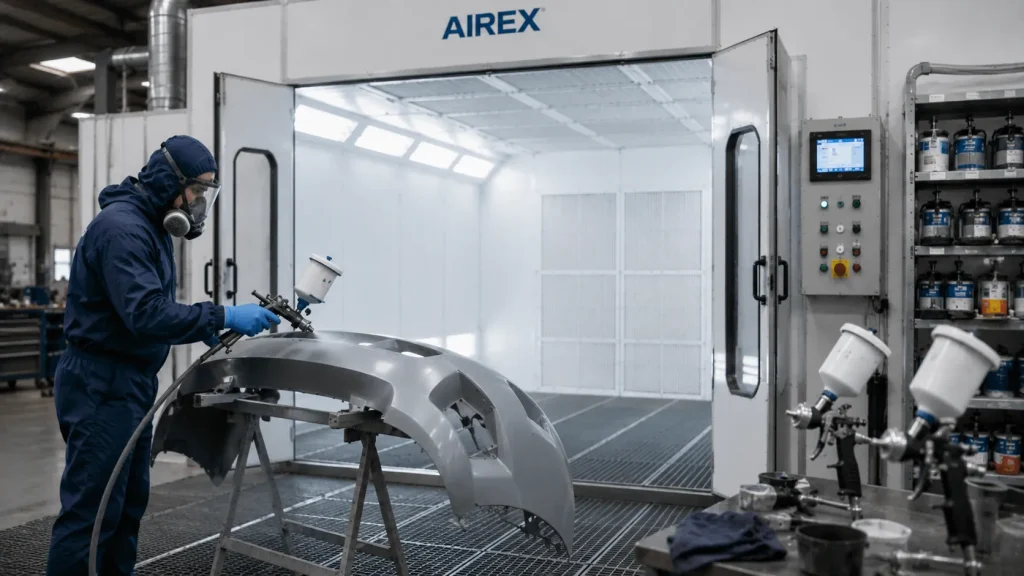
Paint Spray Equipment plays a major role in modern workshop productivity. Fast application, controlled finishes, and reduced material waste help workshops maintain strong daily output. Many industrial and automotive businesses now depend on advanced spraying systems to improve turnaround times and maintain quality standards. Efficient coating systems also reduce operator fatigue and support safer working conditions across busy facilities.
Modern workshops face constant pressure to deliver consistent finishes while controlling operating costs. Poor coating application often increases rework, downtime, and paint consumption. Reliable Paint Spray Equipment helps workshops avoid these issues through accurate atomisation and stable airflow control. This creates smoother finishes and stronger coating adhesion on different surfaces.
Industrial sectors, including automotive repair, manufacturing, aerospace, and woodworking, rely heavily on spray technology. According to industry estimates, high-efficiency spray systems can reduce paint waste by up to 30%. Faster drying cycles and improved transfer efficiency also support better daily workflow. Workshops that upgrade their spray systems often improve labour efficiency and customer satisfaction simultaneously.
Modern spray systems complete coating tasks much faster than manual methods. High-volume low-pressure systems distribute paint evenly across large surfaces within minutes. This speed helps workshops handle more projects daily without reducing finish quality.
A faster application also shortens waiting times between preparation and finishing stages. Workers can move products through the workshop more efficiently. Reducing bottlenecks improves scheduling and supports a stronger operational flow. Many workshops increase output capacity simply by upgrading outdated spray systems.
Consistency remains critical in industrial coating work. Uneven surfaces often lead to costly corrections and dissatisfied customers. Quality Paint Spray Equipment maintains stable spray patterns and balanced paint distribution throughout the process.
Modern spray guns also allow precise control over fluid flow and air pressure. Operators achieve smoother finishes with fewer defects, including runs and dry patches. Better finish consistency reduces rework and protects workshop profitability. Strong visual results also improve customer trust in workshop services.
| Workshop Area | Performance Benefit | Operational Impact |
|---|---|---|
| Automotive Repair | Faster refinishing | Increased daily throughput |
| Manufacturing | Uniform coating coverage | Reduced product rejection |
| Woodworking | Smooth surface finishes | Better product appearance |
| Metal Fabrication | Improved corrosion protection | Longer product lifespan |
| Industrial Maintenance | Faster maintenance cycles | Reduced downtime |
Paint transfer efficiency directly affects workshop operating expenses. Older systems often waste large amounts of coating material through overspray. Modern Paint Spray Equipment reduces this waste significantly through controlled atomisation.
High-efficiency systems place more paint directly onto the target surface. This reduces airborne particles and lowers overall material consumption. Many workshops report noticeable savings after replacing conventional spray systems with HVLP technology.
Lower paint waste also improves environmental compliance. Reduced overspray limits airborne contaminants inside enclosed workspaces. This supports cleaner workshop conditions and helps businesses meet local safety regulations.
Accurate paint application supports stronger stock control. Workshops use materials more predictably when spray systems perform consistently. This makes ordering schedules easier to manage and reduces unnecessary storage costs.
Stable material usage also helps businesses estimate project costs more accurately. Reliable costing improves profit margins and supports better pricing strategies. Workshops gain more control over daily operations through efficient spray management systems.
Heavy manual painting methods place physical strain on workers throughout long shifts. Ergonomic spray guns reduce wrist pressure and improve handling comfort during continuous operation. Lightweight equipment also supports a safer working posture.
Reduced fatigue improves concentration and coating precision. Operators maintain better performance across longer production periods. This helps workshops sustain quality standards during busy workloads. Comfortable workers also contribute to lower absenteeism and improved staff retention.
Modern spray systems include user-friendly pressure controls and adjustable settings. New operators learn equipment handling more quickly than with older systems. Faster training reduces downtime during onboarding periods.
Clear operating controls also reduce the risk of coating defects. Workers achieve better results with less experience, especially in high-volume workshops. Consistent operation supports a smoother workflow across different production teams.
When selecting Paint Spray Equipment, workshops should focus on practical performance features:
Adjustable spray patterns for multiple coating applications.
High transfer efficiency to reduce overspray.
Lightweight spray guns for operator comfort.
Durable components for long-term industrial use.
Easy cleaning systems for reduced maintenance time.
Stable airflow control for consistent finishes.
Compatibility with different coating materials.
Some advanced spray systems now include digital pressure monitoring and automated adjustment controls. These features improve coating accuracy and reduce setup time. Smart monitoring also helps identify maintenance needs before equipment failure occurs.
Predictive maintenance reduces unexpected downtime in busy workshops. Reliable operation supports continuous production and protects delivery schedules. Technology-driven systems increasingly help workshops stay competitive in demanding industrial markets. Explore our latest insights in Automotive Spray Booth.
Regular maintenance keeps spray systems operating efficiently. Dirty nozzles and worn seals often reduce spray quality and increase material waste. Scheduled inspections help workshops avoid sudden equipment failures.
Preventive maintenance also extends equipment lifespan. Well-maintained systems maintain consistent airflow and pressure levels over time. This supports stable workshop performance and lowers long-term replacement costs.
Daily cleaning remains essential for spray equipment reliability. Residual paint buildup affects spray patterns and coating quality quickly. Workshops should inspect filters, hoses, and nozzles regularly to maintain operational efficiency.
Simple maintenance routines reduce costly disruptions during production hours. Reliable equipment allows workers to maintain project schedules with fewer delays. Strong maintenance habits also support safer workshop conditions overall.
Paint Spray Equipment supports better workshop performance through speed, precision, and operational efficiency. Modern systems help businesses improve coating quality while reducing waste and labour strain. Workshops also benefit from lower material costs, faster turnaround times, and improved daily productivity.
Reliable spray technology has become essential across automotive, manufacturing, and industrial sectors. Efficient application systems support stronger workflow management and consistent customer results. Regular maintenance and proper equipment selection further improve long-term operational performance.
As industrial standards continue evolving, workshops must focus on productivity and quality simultaneously. Advanced Paint Spray Equipment provides practical solutions for both goals. Businesses that invest in efficient spray systems often achieve stronger operational stability and better competitive positioning in demanding markets.