How Modern Spray Booth Technology Improves Paint Finish Quality
Spray Booths play a critical role in modern industrial finishing. Industries now demand cleaner coatings, tighter environmental controls, and faster production cycles. From automotive repair centres to aerospace manufacturing plants, controlled paint environments improve quality and workplace safety. Modern finishing operations cannot rely on open-air spraying because contamination and overspray create costly defects.
Global industrial coating demand continues to grow steadily. Automotive refinishing alone represents billions in annual coating applications worldwide. Aerospace manufacturers also require highly controlled environments because even microscopic particles can affect aircraft performance. Rail and marine sectors face similar challenges due to large surface areas and harsh operating conditions. Spray Booths help businesses maintain consistent coating thickness, reduce waste, and comply with strict environmental regulations.
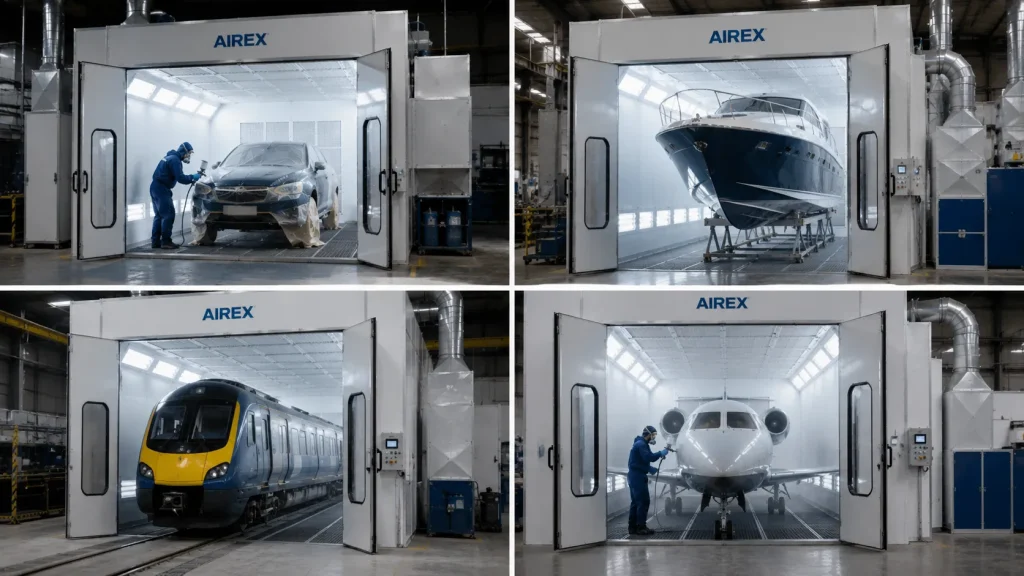
Different industries require different booth configurations. Some projects need downdraft airflow systems, while others need pressurised environments or temperature-controlled curing zones. Choosing the correct system improves finish durability and production efficiency. Businesses that invest in the right Spray Booths often reduce rework costs and improve turnaround times significantly.
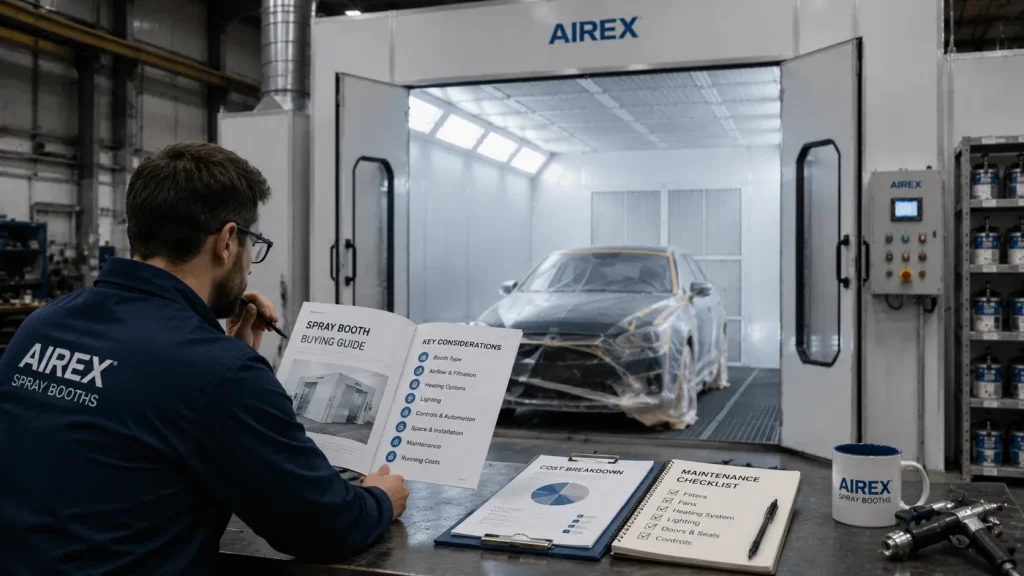
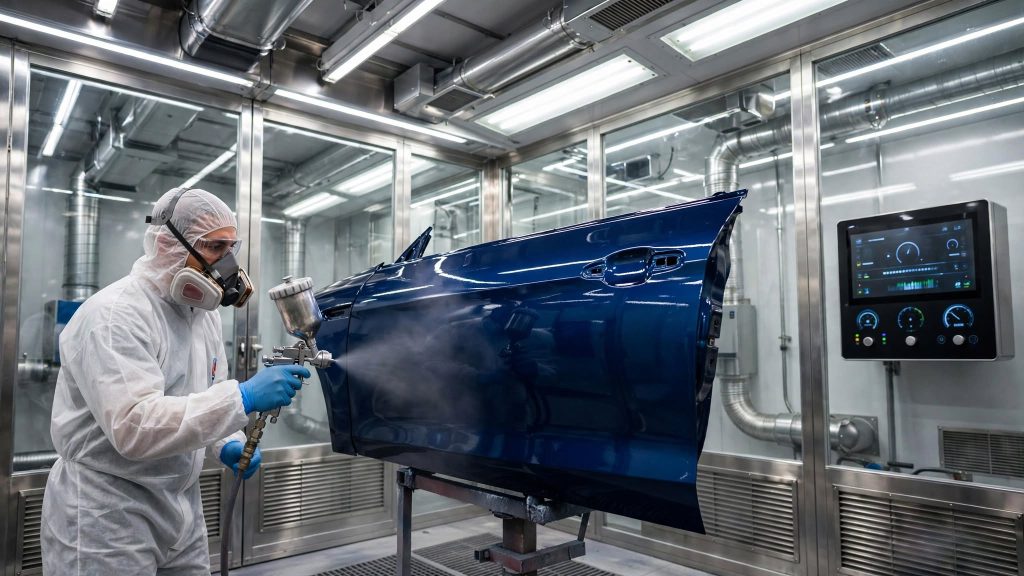
Spray Booths create controlled spaces where airflow, temperature, and humidity remain stable. Stable conditions prevent dust contamination and uneven paint curing. Automotive projects especially benefit because vehicle finishes must meet high cosmetic standards. Even minor defects can increase repair costs and customer complaints.
Marine and rail projects require durable coatings that withstand weather exposure and corrosion. Proper airflow helps coatings bond evenly to metal surfaces. Aerospace projects demand even greater precision because coatings affect aerodynamics and component protection. Controlled spraying conditions help manufacturers achieve strict compliance standards.
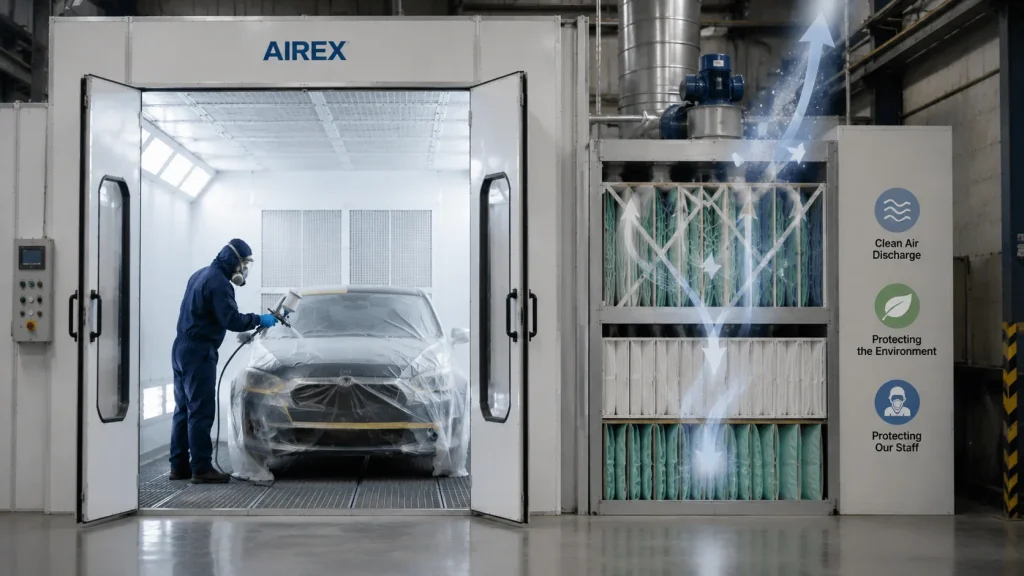
Industrial painting creates airborne particles and volatile organic compounds. Spray Booths help remove harmful fumes using advanced filtration systems. This improves worker safety and supports compliance with environmental regulations. Many industries must now meet strict air quality standards during coating operations.
Businesses also reduce fire risks through controlled ventilation and explosion-proof lighting systems. Modern booths include automated airflow monitoring and fire suppression equipment. These features improve operational safety and reduce downtime caused by accidents or contamination issues.
| Industry | Main Requirement | Common Booth Type |
|---|---|---|
| Automotive | High-gloss finishes | Downdraft booth |
| Marine | Corrosion resistance | Crossdraft booth |
| Rail | Large component coverage | Side-draft booth |
| Aerospace | Precision coating control | Pressurised booth |
Automotive workshops depend on fast production cycles. Spray Booths allow painters to complete jobs quickly while maintaining finish consistency. Heated curing systems shorten drying times and increase workshop productivity. Many modern automotive booths now include energy-efficient burners and smart airflow controls.
Vehicle refinishing also requires accurate colour matching. Controlled lighting systems inside booths help painters identify imperfections before vehicles leave the workshop. This reduces costly rework and improves customer satisfaction. Consistent airflow also prevents overspray from settling onto fresh coatings.
Electric vehicle production continues to reshape automotive refinishing requirements. Manufacturers increasingly use lightweight materials and specialised coatings. Spray Booths must now support aluminium panels, composite materials, and low-emission coating products. Browse our complete collection of blogs.
Workshops upgrading for electric vehicle repairs often install advanced filtration systems and temperature controls. These upgrades improve coating adhesion and support safer handling of modern materials. Businesses that modernise their booths remain competitive as vehicle technologies evolve rapidly.
Key automotive booth benefits include:
Faster curing cycles.
Reduced paint contamination.
Improved colour consistency.
Lower material waste.
Better technician safety.
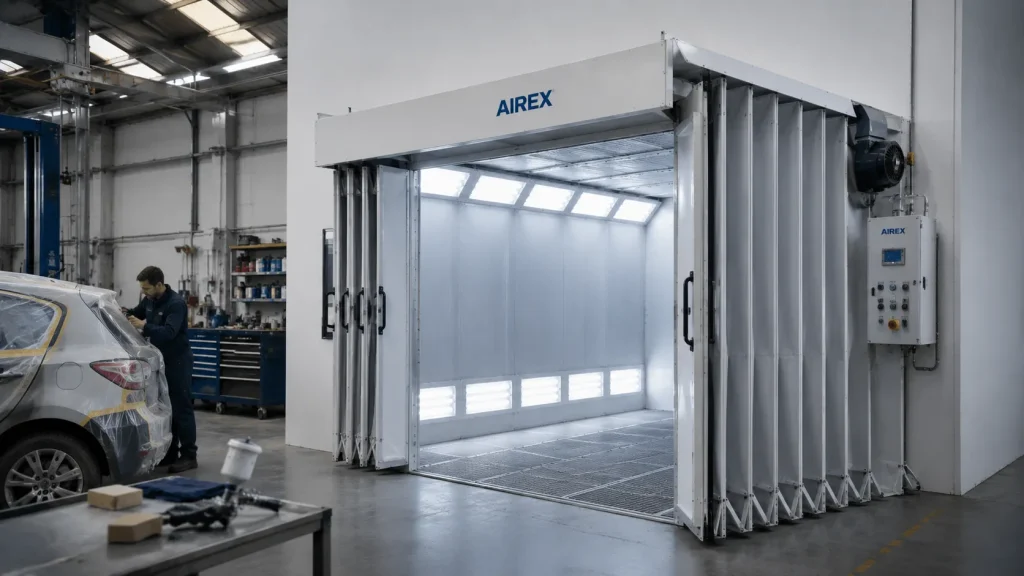
Marine and rail projects involve extremely large surfaces. Spray Booths used in these industries often feature modular structures and extended airflow systems. Large vessel sections and rail carriages require even coating application across wide areas. Consistent airflow prevents patchy finishes and uneven curing.
Marine environments also create corrosion challenges. Protective coatings must withstand saltwater exposure and harsh weather conditions. Controlled spraying conditions improve coating durability and reduce maintenance costs over time. Rail operators face similar concerns because trains experience heavy environmental wear daily.
Large industrial booths consume substantial energy during operation. Businesses now seek energy-efficient Spray Booths that reduce operational costs without sacrificing performance. Variable-speed fans and heat recovery systems help lower energy use significantly.
Many modern rail and marine facilities also integrate automated spraying technologies. Automation improves transfer efficiency and reduces overspray waste. This helps companies meet sustainability targets while improving production consistency. Lower material waste also reduces overall finishing expenses.
Aerospace coatings require extreme accuracy. Spray Booths used in aircraft manufacturing often operate under tightly controlled pressure conditions. These environments minimise airborne contamination and support uniform coating application. Even tiny particles can compromise finish quality and long-term aircraft performance.
Aircraft coatings also provide protection against ultraviolet exposure, corrosion, and temperature fluctuations. Controlled curing processes ensure coatings meet strict durability standards. Aerospace manufacturers frequently use advanced filtration systems capable of capturing microscopic particles efficiently.
Modern aerospace facilities increasingly use automated monitoring systems inside Spray Booths. Sensors track humidity, airflow velocity, and curing temperatures continuously. These systems improve consistency across large production batches.
Robotic spraying systems also improve coating accuracy while reducing labour intensity. Automation helps manufacturers maintain exact coating thickness levels across complex aircraft structures. This precision reduces material waste and improves long-term reliability.
Important aerospace booth features include:
High-efficiency filtration systems.
Pressurised airflow control.
Automated curing management.
Advanced contamination monitoring.
Precision lighting systems.
Spray Booths remain essential across automotive, marine, rail, and aerospace industries because finishing quality directly affects product performance and durability. Controlled environments improve coating consistency, reduce contamination, and support regulatory compliance. Businesses also benefit from faster production cycles, lower rework costs, and improved workplace safety.
Different industries require different booth configurations, but the goal remains the same. Companies need reliable coating systems that improve efficiency and deliver durable finishes. Automotive workshops prioritise speed and appearance, while marine and rail operators focus on corrosion protection. Aerospace manufacturers demand the highest level of precision and environmental control.
As industrial finishing technologies evolve, Spray Booths continue to become smarter and more energy efficient. Automated airflow systems, advanced filtration, and intelligent curing controls now shape modern finishing operations. Businesses investing in updated booth systems position themselves for better productivity, stronger compliance, and higher coating quality across every project type.