
Paint Fume Extraction System Installation
Our Services
For Better Service
For better service, we focus on understanding your needs and delivering solutions that truly make a difference.
Paint Fume Extraction Service Overview
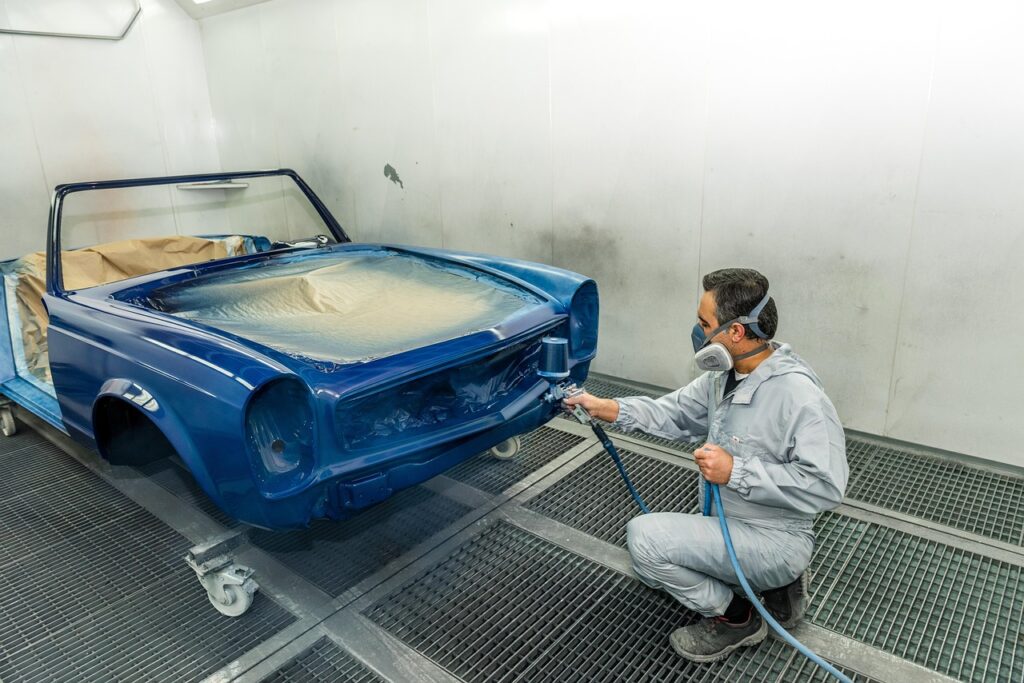
Paint fume extraction service is essential for maintaining clean air and safe working environments in facilities where painting and coating operations take place. During the application of paints, solvents, and coatings, harmful fumes and airborne particles are released into the air. Without proper extraction systems, these contaminants can pose serious health risks and negatively impact productivity.
This service includes the design, installation, maintenance, and optimization of fume extraction systems. These systems are engineered to capture, filter, and remove hazardous vapors and particles from the workspace. Professional paint fume extraction services ensure that air quality remains safe while supporting efficient and compliant operations.
Importance of Paint Fume Extraction Systems
Protecting Worker Health
Paint fumes often contain volatile organic compounds and toxic chemicals. Exposure can lead to respiratory issues, irritation, and long-term health problems. Effective extraction systems remove these contaminants, protecting workers.
Maintaining Air Quality
Clean air is essential for a safe and productive environment. Fume extraction systems ensure that harmful particles are removed, improving overall air quality.
Enhancing Work Efficiency
A clean and well-ventilated workspace improves concentration and productivity. Workers can perform tasks more effectively in a safe environment.
Ensuring Regulatory Compliance
Workplace safety regulations require proper ventilation and fume control. Professional extraction systems help meet these standards and avoid legal issues.
Types of Paint Fume Extraction Systems
Local Exhaust Ventilation Systems
These systems capture fumes at the source, preventing them from spreading. They are highly effective for targeted applications.
Centralized Extraction Systems
Central systems serve multiple workstations. They provide consistent air quality across large facilities.
Portable Extraction Units
Portable units offer flexibility for temporary or mobile operations. They are easy to move and set up as needed.
Downdraft Extraction Systems
Downdraft systems pull air downward, capturing fumes efficiently. They are commonly used in spray booths and painting areas.
Key Components of Fume Extraction Systems
Extraction Fans
Fans create airflow that draws fumes away from the workspace. Proper fan performance is essential for effective extraction.
Ducting Systems
Ducts transport contaminated air from the source to filtration units. They must be properly designed to ensure efficient airflow.
Filtration Units
Filters remove particles and contaminants from the air. High-quality filtration is critical for maintaining air quality.
Exhaust Outlets
Clean air is safely released outside the facility through exhaust outlets. Proper placement ensures environmental safety.
Control Systems
Control panels regulate airflow and system performance. They allow operators to monitor and adjust settings.
Design and Installation Services
Site Assessment
The process begins with evaluating the workspace. This includes identifying sources of fumes and determining airflow requirements.
Custom System Design
Each facility has unique needs. Custom designs ensure that the extraction system meets operational and safety requirements.
Equipment Installation
All components are installed according to specifications. Proper installation ensures efficiency and reliability.
System Testing and Commissioning
After installation, the system is tested to ensure proper operation. Adjustments are made to optimize performance.
Maintenance and Repair Services
Routine Inspections
Regular inspections help identify potential issues early. This prevents system failures and ensures continuous operation.
Filter Replacement
Filters must be replaced regularly to maintain efficiency. Clogged filters reduce airflow and effectiveness.
Fan and Motor Repairs
Fans and motors require maintenance to ensure proper performance. Timely repairs prevent breakdowns.
Duct Cleaning and Maintenance
Ducts can accumulate dust and contaminants. Cleaning ensures efficient airflow and prevents blockages.
Benefits of Professional Paint Fume Extraction Services
Improved Workplace Safety
Professional systems effectively remove hazardous fumes, creating a safer environment for workers.
Enhanced Air Quality
Proper extraction ensures clean air, reducing health risks and improving comfort.
Increased Productivity
Workers perform better in a clean and safe environment. This leads to improved efficiency.
Cost Savings
Regular maintenance prevents costly repairs and extends system lifespan.
Upgrading Fume Extraction Systems
Advanced Filtration Technology
Modern filters provide better efficiency and capture finer particles. This improves air quality and system performance.
Energy-Efficient Components
Upgrading to energy-efficient fans and systems reduces power consumption and operating costs.
Smart Control Systems
Advanced controls allow real-time monitoring and adjustments. This improves efficiency and reliability.
Common Challenges in Fume Extraction
Inadequate Airflow
Poor system design or clogged filters can reduce airflow. This affects the effectiveness of extraction.
System Wear and Tear
Continuous use can lead to component wear. Regular maintenance prevents major issues.
Contamination Build-Up
Dust and particles can accumulate in ducts and filters. Proper cleaning and maintenance are essential.
Noise and Energy Consumption
Extraction systems can generate noise and consume energy. Upgrades can address these challenges.
Safety Considerations
Proper Ventilation Design
Adequate ventilation ensures effective removal of fumes and maintains air quality.
Fire and Explosion Prevention
Some fumes are flammable. Systems must be designed to minimize fire risks.
Use of Protective Equipment
Workers should use appropriate protective gear during operations.
Compliance with Regulations
Meeting safety and environmental standards ensures legal compliance and worker protection.
Choosing the Right Paint Fume Extraction Service
Experience and Expertise
Select a service provider with experience in designing and maintaining extraction systems.
Comprehensive Solutions
Choose a provider that offers design, installation, maintenance, and repair services.
Quality Assurance
Ensure that the system meets performance and safety standards.
Reliable Support
Ongoing support ensures long-term efficiency and reliability.
Maintenance Best Practices
Regular Cleaning
Keeping the system clean prevents contamination and maintains efficiency.
Scheduled Servicing
Routine servicing ensures that all components function properly.
Monitoring System Performance
Operators should monitor airflow and system performance regularly.
Prompt Repairs
Addressing issues quickly prevents downtime and costly repairs.